How to Make a Detroit Beat Like Rio Da Yung OG and Babyfxce E
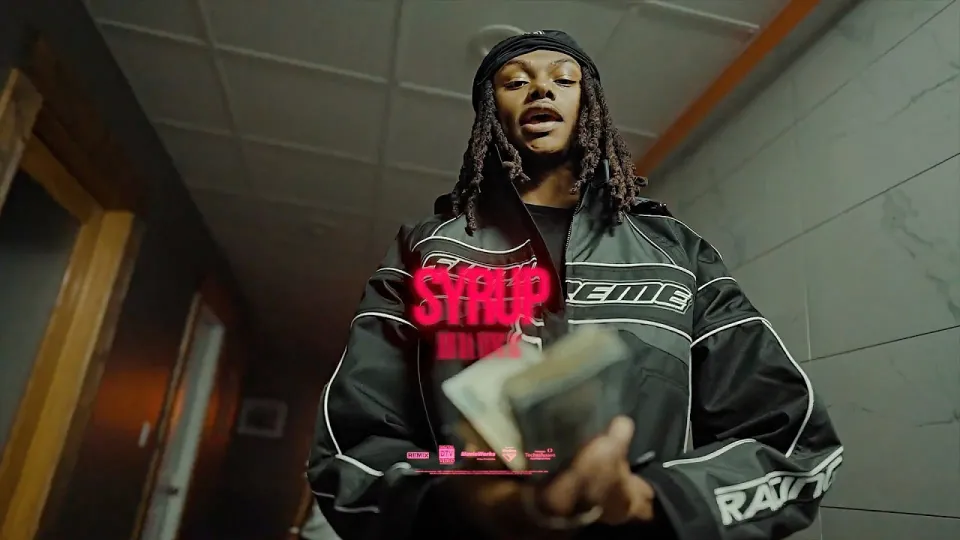
Video: [FREE] Rio Da Yung OG x Babyfxce E Type Beat - “Syrup” | Detroit Type Beat
Want articles like this for your own video to promote it on YouTube and Google? Order them through the Telegram bot @sat_sit_bot. It writes articles around your video, embeds the video and publishes them on popular niche websites (no ads). Your first 50 articles are free.
· based on the channel Reuel StopPlaying
Key takeaways
- Detroit rap beats typically run 90–100 BPM with a half-time feel.
- Key elements: punchy kick, snappy snare, dark melodic sample, and deep 808.
- Rio Da Yung OG and Babyfxce E favor minimalist, repetitive loops that leave room for bars.
- Reuel StopPlaying offers a free Detroit type beat 'Syrup' for non-profit use only.
- Commercial use requires a paid license; credit must read 'Produced by (Producer Name) for SoundFirst Productions'.
- The beat is available for purchase via https://bit.ly/2mxSONh.
A Detroit beat is a minimalist, sample-driven instrumental built around 90–100 BPM, a punchy kick-snare pattern, and a deep 808, designed to leave space for dense, conversational raps like those of Rio Da Yung OG and Babyfxce E. To make one, start with a dark melodic loop, program a half-time drum groove, layer a sliding 808, and keep the arrangement sparse so the vocals stay upfront. The free type beat "Syrup" from producer Reuel StopPlaying is a ready-made example of this formula, available for non-profit use and for purchase via this link.
What defines the Detroit beat sound
The Detroit beat sound is a stripped-back blend of trap percussion and soulful or eerie samples, often with a slight lo-fi texture. Producers in the city's rap scene—such as those behind Rio Da Yung OG, Babyfxce E, and Krispylife Kidd—favor beats that feel almost unfinished, with loops that repeat with minimal variation. This repetition lets the rapper's cadence and ad-libs become the focal point. Typical Detroit beats run at 90–100 BPM, use a half-time feel (so the snare hits on the third beat of each bar), and rely on a heavy kick that punches through the mix. The 808 is usually tuned to the root note of the sample and glides between notes to add movement. Melodic elements are often short vocal chops, detuned keys, or filtered soul samples that create a moody, sometimes melancholic atmosphere. The overall mix is loud and mid-focused, with vocals sitting on top without much competition from the instrumental.
How to build a Detroit beat step by step
Building a Detroit beat follows a repeatable workflow: choose a tempo, create a melodic loop, program drums, add 808, and arrange for vocals. Here is a practical sequence you can follow in any DAW.
- Set the tempo. Start at 92–96 BPM. This range supports the half-time feel and gives rappers enough room for double-time flows.
- Create a melodic loop. Use a dark piano, detuned electric piano, or a filtered soul sample. Keep it 2–4 bars long and leave low-end space for the 808.
- Program the drums. Place a strong kick on beat 1 and a syncopated kick before beat 3. The snare should hit on beat 3 (half-time). Add closed hi-hats with occasional rolls and a few open hats for texture.
- Add the 808. Tune the 808 to the root of your melody. Use glide (portamento) to slide between notes, especially at the end of phrases. Sidechain the 808 to the kick for clarity.
- Arrange sparsely. Keep the intro to 4–8 bars with the melody and maybe filtered drums. Drop the full drums and 808 at the start of the verse. Use minimal changes—maybe drop the drums for one bar every 8 or 16 bars—to keep energy without distracting from vocals.
- Mix for vocals. Carve out 1–3 kHz in the instrumental to make room for the vocal. Keep the kick and 808 mono and centered. Add slight saturation to the drum bus for loudness.
How Rio Da Yung OG and Babyfxce E use beats
Rio Da Yung OG and Babyfxce E rap in a conversational, ad-lib-heavy style that thrives on beats with minimal melodic movement. Rio's delivery often sits slightly behind the beat, while Babyfxce E uses a more urgent, punchy cadence. Both rappers favor instrumentals that loop without many switch-ups, allowing them to ride the groove for two to three minutes. In practice, this means your beat should avoid busy fills, excessive sound effects, or dramatic drops. A single melodic idea, a solid drum pattern, and a consistent 808 are enough. The "Syrup" type beat from Reuel StopPlaying follows this approach: a repetitive, woozy melody with a straightforward drum groove that leaves plenty of space for bars. If you want to write lyrics in this style, focus on concrete street narratives and use ad-libs as percussion.
How to use the free "Syrup" Detroit type beat legally
The "Syrup" beat by Reuel StopPlaying is free for non-profit use only, meaning you can record demos, upload to streaming platforms without monetization, and perform at non-profit shows. For any for-profit release—including monetized YouTube videos, paid downloads, or commercial streaming—you must obtain a paid license. Upon use, you must credit the producer exactly as follows: "Produced by (Producer Name) for SoundFirst Productions." This credit must appear in the description of any uploaded video and on any physical or digital distribution. If written credit is impossible, a recorded vocal credit is required. To purchase the beat or inquire about exclusive rights, visit the purchase link. The producer can also be reached via email at doyourbizz@gmail.com, and you can follow Reuel StopPlaying on Twitter and Instagram.
Common questions about Detroit type beats
Producers and rappers often ask about the practical side of using type beats. One common concern is whether a free beat can be used on YouTube—yes, for non-profit videos with proper credit, but monetized videos require a license. Another question is how to credit the producer when the beat is used in a freestyle or snippet; the same written credit format applies. Many also wonder if they can change the beat's tempo or key—legally, you can edit for your recording, but the credit requirement remains. Finally, some ask about the difference between a Detroit beat and a Flint beat; Flint beats tend to be darker and slower (around 85–90 BPM) with more aggressive 808 patterns, while Detroit beats are slightly faster and more sample-focused. For specific terms, always refer to the producer's usage policy.
Useful links
- Purchase the "Syrup" beat: https://bit.ly/2mxSONh
- Producer's Twitter: https://twitter.com/reuelethan
- Producer's Instagram: http://instagram.com/Reuelethan
Final thoughts on crafting a Detroit beat
Making a Detroit beat is about restraint: a simple melodic loop, a hard-hitting half-time drum pattern, and a deep 808 are the core ingredients. The style rewards producers who leave space for the rapper's personality and ad-libs rather than overcrowding the instrumental. Reuel StopPlaying's "Syrup" type beat demonstrates this approach and offers a free entry point for non-profit use. If you plan to release commercially, secure the appropriate license and always include the required credit. For those ready to get started, download the beat via https://bit.ly/2mxSONh and build your own Detroit track.
Questions & answers
Can I use the "Syrup" beat for free on YouTube?
Yes, for non-profit videos only. You must include the written credit "Produced by (Producer Name) for SoundFirst Productions" in your video description. Monetized videos or any for-profit use require a paid license.
What BPM should a Detroit type beat be?
Most Detroit beats sit between 90 and 100 BPM with a half-time feel, where the snare hits on the third beat of each bar. This tempo range supports the relaxed, conversational flow typical of Rio Da Yung OG and Babyfxce E.
How do I credit the producer when using a free type beat?
Use the exact format: "Produced by (Producer Name) for SoundFirst Productions." Place it in the description of any uploaded video and on any physical or digital distribution. If written credit is impossible, record a vocal credit.
What is the difference between Detroit and Flint beats?
Flint beats are generally darker and slower (around 85–90 BPM) with more aggressive 808 patterns, while Detroit beats are slightly faster and more sample-driven, often with a lo-fi texture. Both prioritize minimalism to let the vocals stand out.
Source: [FREE] Rio Da Yung OG x Babyfxce E Type Beat - “Syrup” | Detroit Type Beat · Markdown version